Service Synopsis: U.S. Coast Guard Interns Edition
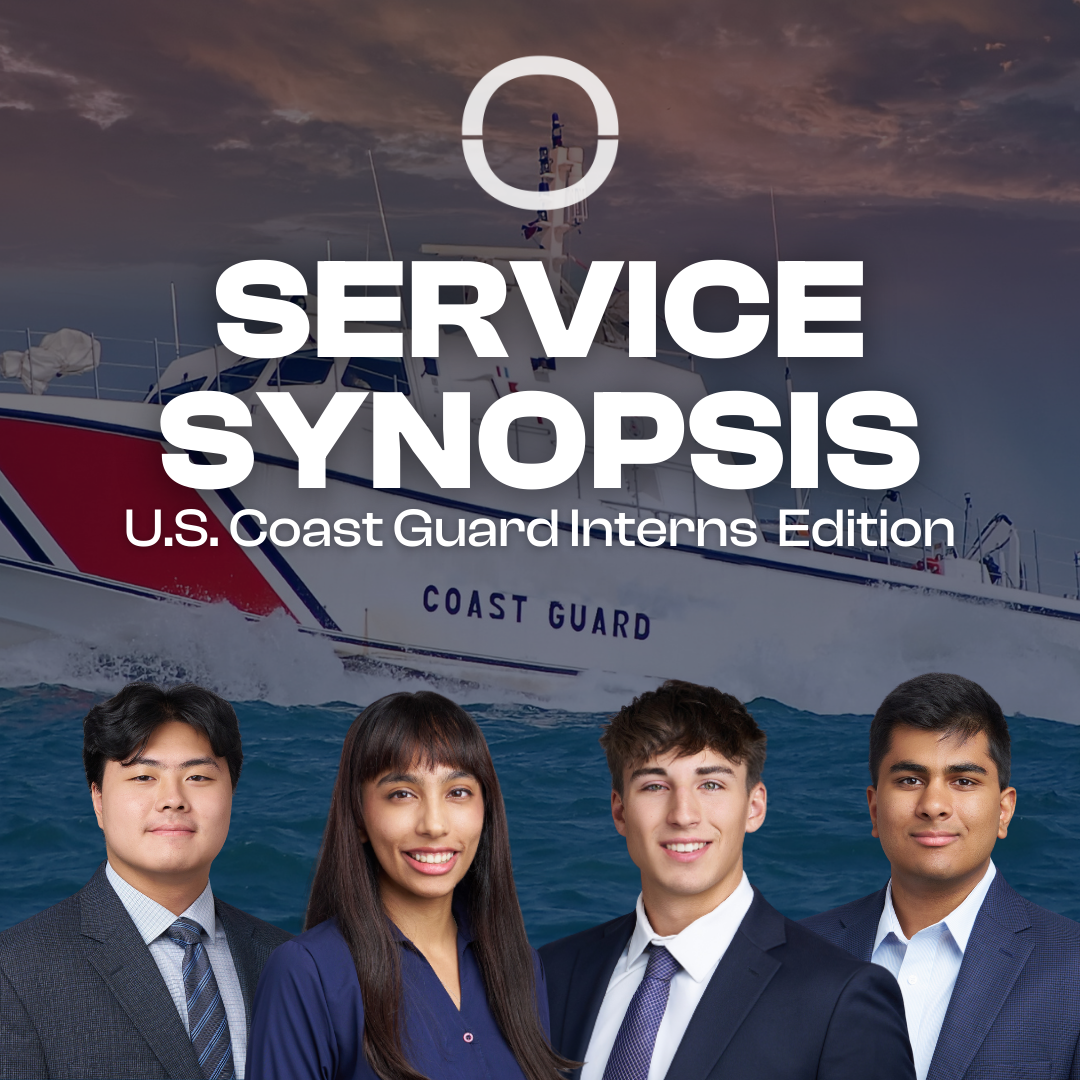
Last fall, NobleReach partnered with the U.S. Coast Guard Robotics and Autonomous Systems (RAS) Program Executive Office (PEO) for a one-of-a-kind internship program. Over 14 weeks, a group of undergraduate and graduate students brought their AI and robotics skills into the public service sector. We asked them to reflect on their experiences, and here’s what they shared.
Question: Looking back at your time in college so far, what class, club, or experience actually prepared you for this internship in ways you didn’t realize until now?
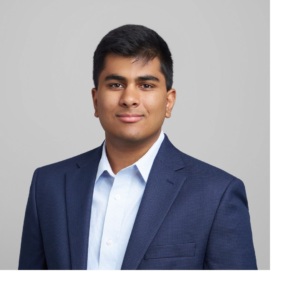 Ishaan Buddharaju
Surprisingly, playing in Purdue Jazz Bands prepared me in a really unexpected way. Being open to just latching on to an opportunity, as if you’re volunteering for a solo, then spending time to go deep into the problem resulted in really impactful work. As I continue in my career, I’ll continue this approach of diving headfirst into opportunities.
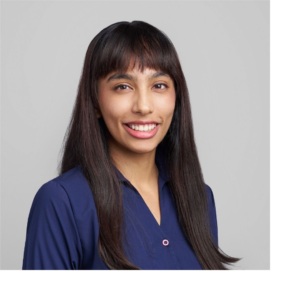 Shreya Chaudhary
The Human-Computer Interaction course I took in college prepared me in ways I didn’t fully realize until this internship. The course emphasized the importance of designing intuitive systems and taught methodologies for developing them. During the internship, I saw firsthand how crucial it is to make systems and interfaces user-friendly, especially when end users may not have formal training. My coursework helped me anticipate potential usability issues, suggest improvements, and communicate effectively with the team early on.
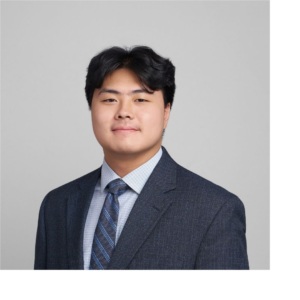 Anthony Tan
Working on events for the Filipino Association at my university taught me that it was okay to question leadership and ask for guidance. I brought that same principle with me to the Coast Guard. When we were tasked with ambiguous projects, we asked colleagues for guidance and leadership for clarification, even if it took more than one meeting to get a clear goal.
 Mitchell Davis
My online Oceanography course prepared me more than I initially realized. It introduced bathymetric sensing methods and the unique challenges of operating in the maritime environment, which directly connected to Coast Guard missions. Additionally, Purdue’s ‘Innovation in the Public Sector’ course, sponsored by NobleReach, was foundational. Beyond sparking my interest in public service, it trained me to think about government work as deeply mission-driven, where even small contributions can inform meaningful policy or long-term decisions.
Question: How did working with your team or colleagues change the way you think about working with others?
Ishaan Buddharaju
Both my co-interns and colleagues were talented people with high agency, so it exposed me to a wide range of working styles. I realized when tackling large problems with people like that, you get the best results by understanding how each person works and leaning into their strengths. Learning to lean into those styles helped us build better solutions than any one of us could have produced alone. This may seem obvious, but I realized how difficult it can be take a step back to pick up on these styles in the middle of a stressful project.
Shreya Chaudhary
I realized that everyone on the team had different skills, ways of learning, and approaches to work. Understanding each person’s strengths helped us collaborate more effectively and complete our deliverables efficiently. This experience taught me the importance of recognizing and leveraging team members’ unique traits, and I will carry this perspective into future collaborations in my career.
Anthony Tan
Working with my fellow interns and the people at the Coast Guard has reinforced my inclination to work in teams. I have never been part of a team that has worked so well together, where we used each of our strengths to create meaningful work.
Mitchell Davis
Working with my colleagues pushed me to think at a higher, more systems-oriented level. I began focusing less on individual tasks and more on connecting people or processes to create broader impact. I saw that everyone brings valuable insight, regardless of whether their role was directly related with a project, and that progress often comes from asking for various perspectives and guidance.